Most martial arts films are about a hero. This one is about what a hero leaves behind.
Because Fist of Fury doesn’t open on a rising champion. It opens on a loss — the death of the legendary Master Huo — and then dares to ask the question almost every great kung-fu story circles back to: when the master is gone, who carries the fire?

What This Film Is Really About
On the surface, it’s a revenge-and-protection story. The fearsome Blood Demon sets his sights on Huo’s clan, and the master’s disciple, Liu Jing, is the only one standing between his people and total destruction. Fists fly. Blades sing. Bodies hit the floor.
But strip away the choreography and you find something quieter and far more interesting beating underneath: a story about legacy. Liu Jing isn’t just defending a clan. He’s defending everything his teacher stood for — skill, honor, and a promise made to a man who can no longer hold him to it.
That’s the real battlefield here. Not the courtyard. The conscience.
Performance & Characters
Liu Jing is the emotional engine of the film, and the role demands more than physical grace. He has to look like a man fighting two opponents at once — the enemy in front of him, and the enormous shadow of the master behind him.
The strongest scenes aren’t the loudest ones. They’re the moments of hesitation: the flicker of doubt before a strike, the weight of a student wondering whether he’s worthy of the name he’s defending.
And then there’s the Blood Demon — a villain built to be hated, ruthless and theatrical, the kind of antagonist who exists to make the hero’s restraint feel like its own form of heroism. A martial arts movie is only as good as the monster it puts in the hero’s path, and this one swings hard.
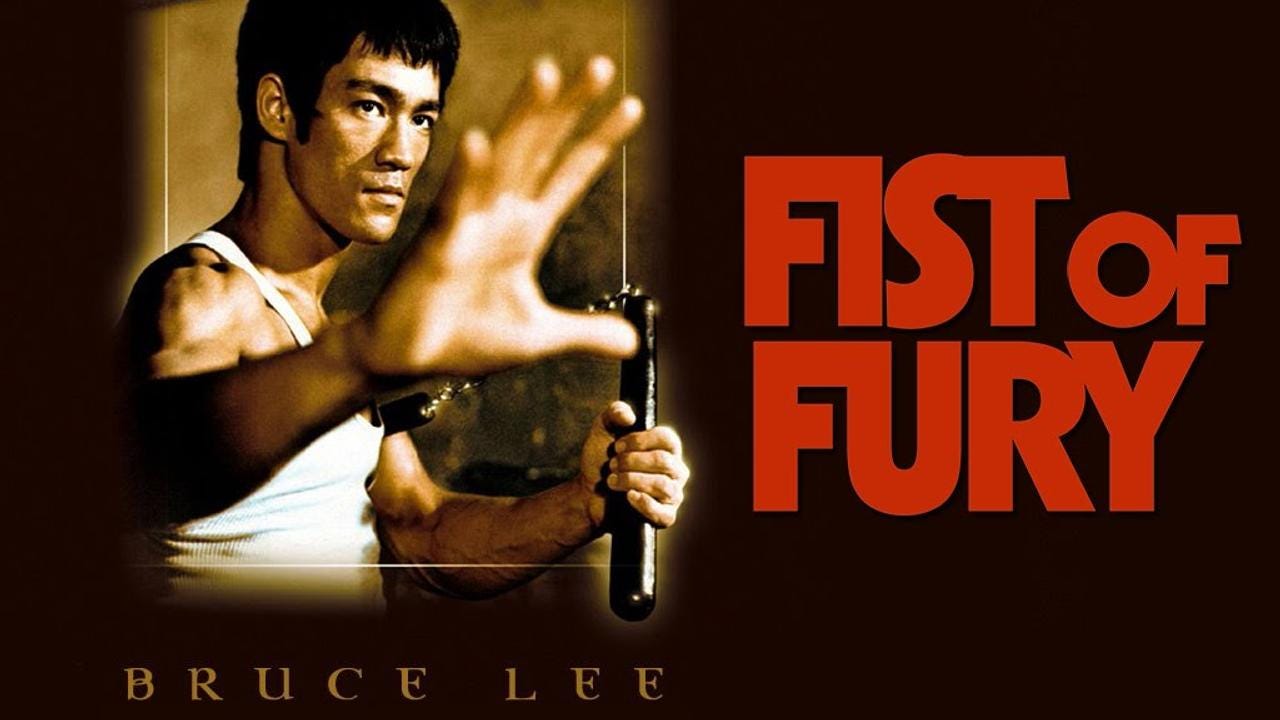
Visuals, Tone, and Direction
This is a film that understands the grammar of the genre. Steel catches the light. Stances are held a half-second longer than comfort allows. The action is built to be felt, not just watched.
The tone leans classical — honor, clans, vengeance, the sacred bond between teacher and student — the bones of every great kung-fu tale, dressed up with modern intensity. There’s a deliberate old-school romance to it: the idea that a fight can be a moral argument, that how you win matters as much as whether you win at all.
- The choreography trades flash for impact — every exchange feels like it costs something.
- The pacing uses Huo’s absence like a ticking clock; the clan is always one bad day from collapse.
- The stakes stay personal, which is exactly why the violence lands.
What Works — And What Doesn’t
What works is the heart. By rooting the spectacle in a single, simple promise — protect what the master built — the film gives every punch a reason to exist. The legacy theme turns generic action into something that aches a little.
What may divide viewers is familiarity. The beats of disciple-rises-to-defend-the-clan are well-worn, and if you’ve seen enough of these films, you’ll see some turns coming. The story doesn’t reinvent the form so much as honor it.
But honoring the form, done with conviction, is its own kind of pleasure.
It almost feels like a film you’ve seen before… and then a single fight reminds you why this genre has lasted for generations.

Final Verdict
Fist of Fury is, at its core, a love letter to the master-student bond — the belief that the most dangerous thing a teacher can pass down isn’t a technique, but a standard you spend your whole life trying to live up to.
It delivers what fans of the genre crave: clean, brutal action, a villain you’ll love to despise, and a hero whose greatest battle is proving he deserves the name on his back. If you come for the fights, you’ll stay for the reason behind them.
A master falls in the opening minutes. The whole film is the answer to a single question: can a student ever truly fill his teacher’s shoes — or must he forge a legend entirely his own?
What do you think — is a legacy something you inherit, or something you have to earn all over again? Drop your verdict in the comments, and tag the one you’d want fighting at your side.