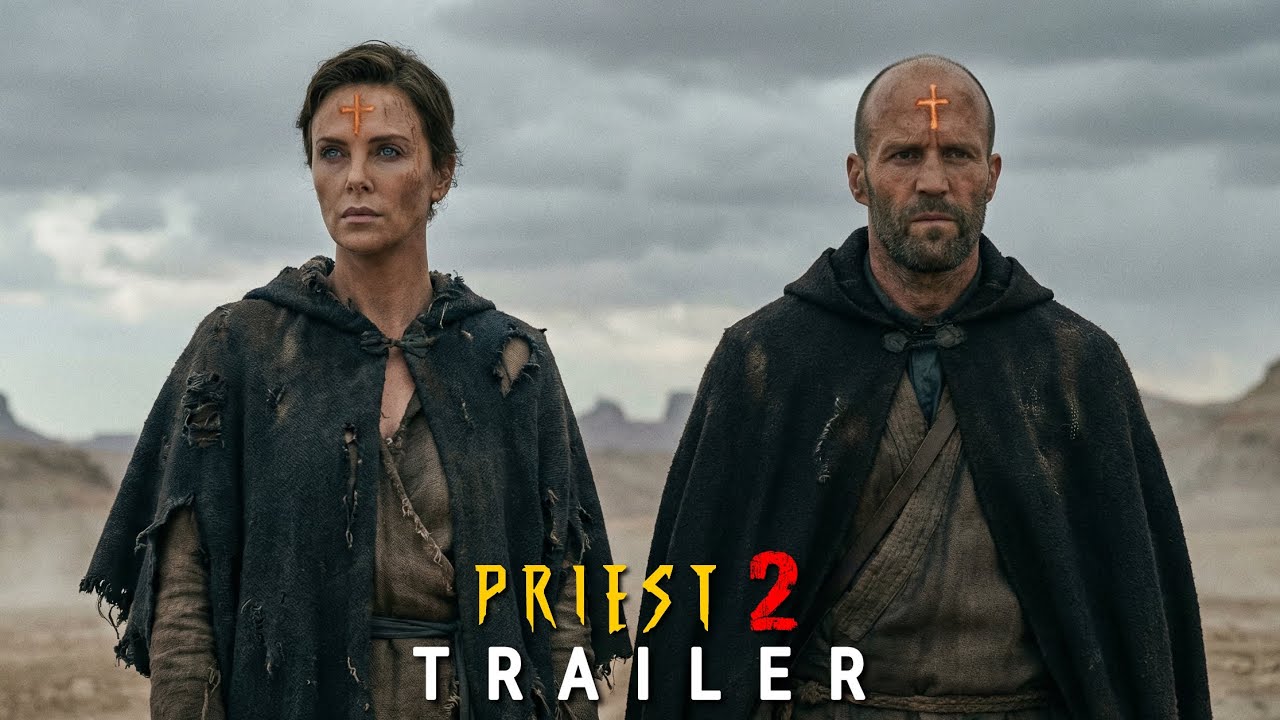
It starts with peace… but it never stays that way for long
This isn’t just another post-apocalyptic fantasy. I thought I was watching a story about humanity finally winning its war against monsters… until the silence started feeling too perfect. Too controlled. And that’s when the real fear begins to creep in.

In Priest (2026), the world believes the nightmare is over. Giant fortified cities stand as proof of victory, and the Church has rewritten history itself. But something ancient is stirring again—and it’s smarter, darker, and far more patient than before.
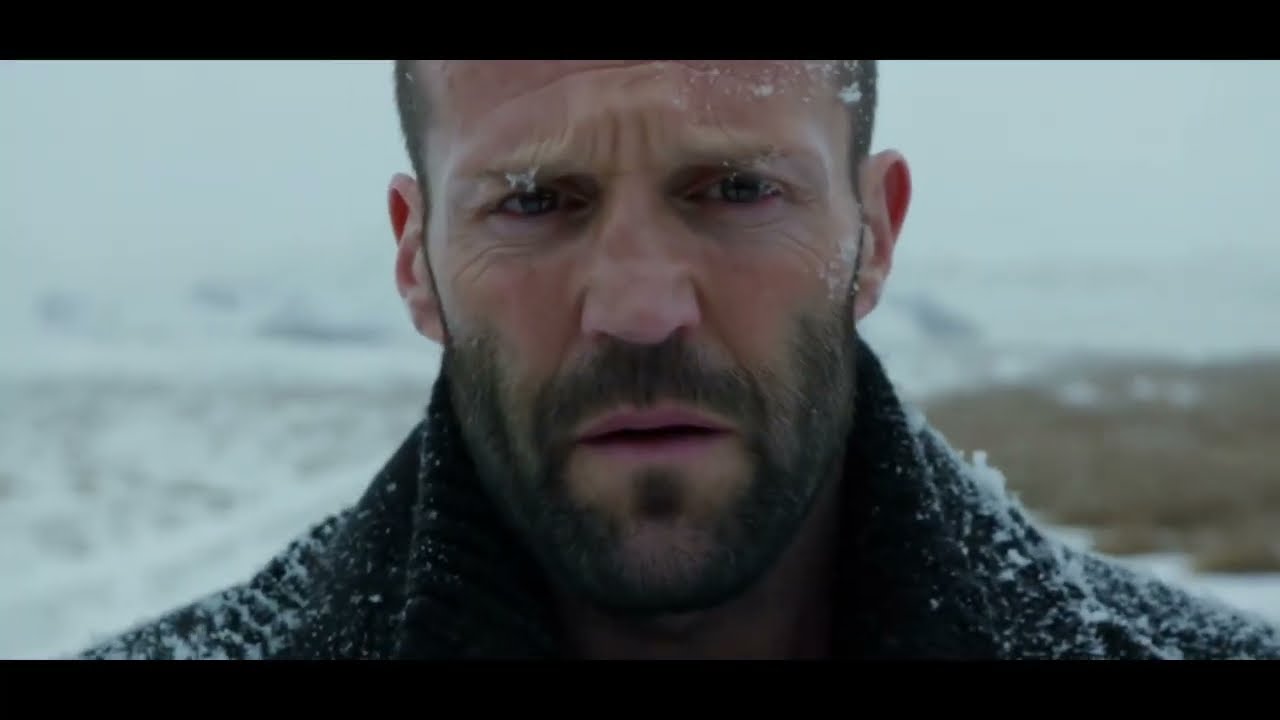
And here’s the unsettling part… the monsters might not be the real enemy this time.
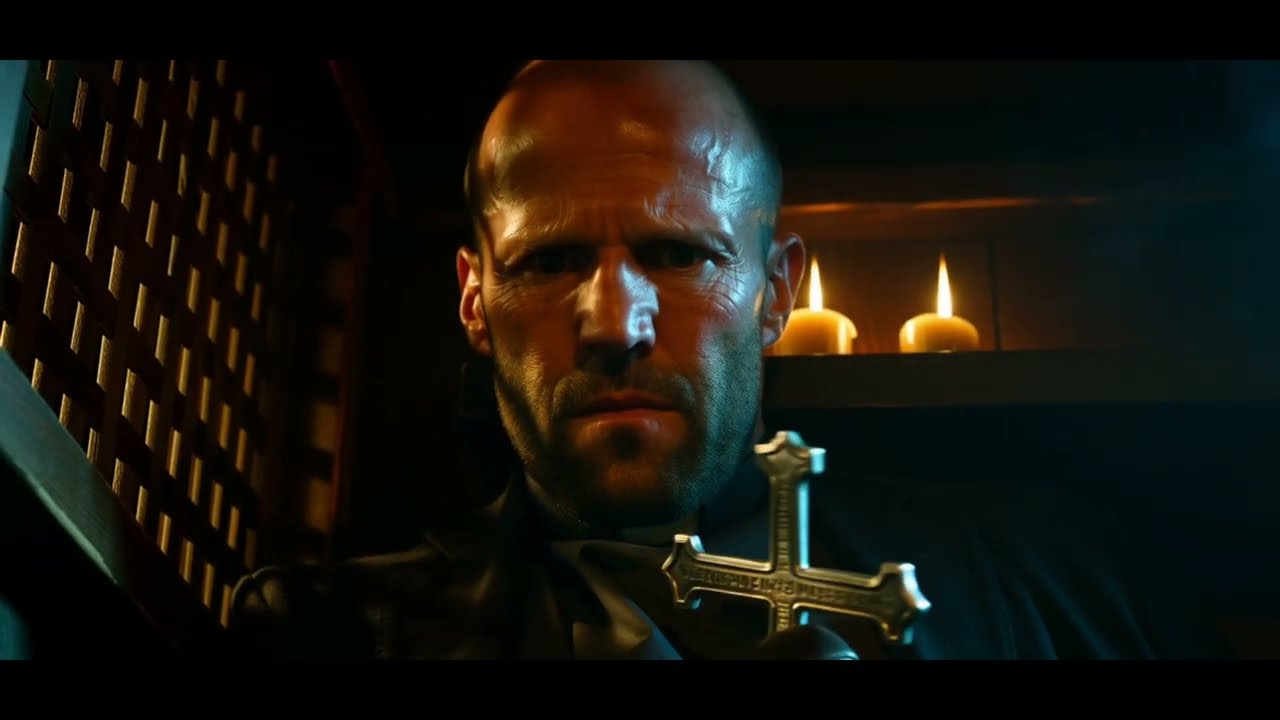
A shattered peace hiding something terrifying
At the center of the story is a battle-hardened Priest, played with intense gravity and emotional restraint. He’s not a hero in the traditional sense—he’s a survivor of a war everyone else wants to forget.
When people begin disappearing and old signs of the infected return, he’s the only one willing to admit the truth: the war never ended. It just evolved.
But the deeper he digs, the more disturbing the reality becomes. The institutions meant to protect humanity may have built their peace on a lie.
Why this hits harder than a typical action-horror
This film doesn’t rely only on creatures in the dark. It builds tension through silence, control, and hidden agendas. The horror isn’t just what’s outside the walls—it’s what’s inside them.
- Jason Statham brings raw, grounded intensity to a broken warrior who refuses to bend.
- Angelina Jolie adds emotional weight and mystery, shifting between ally and enigma.
- Mads Mikkelsen delivers chilling calmness that feels more dangerous than any monster.
And together, they create a triangle of tension where trust is always one step away from collapse.
A spectacle built on shadows and steel
This is not a bright fantasy world. It’s gothic, cold, and constantly breathing tension into every frame.
The action sequences don’t just explode—they stalk you first. Every fight feels like it’s been earned through fear, not choreography alone.
But here’s what makes it stick… the monsters are not always the loudest presence in the room.
A spectacle worth watching on the big screen
The visuals lean heavily into dark fantasy aesthetics—towering walls, abandoned zones, and flickering light cutting through endless shadow. It feels like the world itself is decaying under its own secrets.
And then… everything changes when the creatures return in ways no one expects.
What makes it so addictive?
The film constantly pulls you forward with unanswered questions. Every answer leads to something worse. Every truth feels like a setup for another betrayal.
It’s not just about survival. It’s about who gets to define reality when fear becomes control.
What viewers are saying
- Michael Turner: “I didn’t expect a monster movie to feel this political and intense.”
- Sophia Bennett: “The atmosphere alone kept me hooked the entire time.”
- Daniel Brooks: “That twist about the Church… I actually paused the film.”
- Emily Carter: “Jason Statham in this role feels like pure controlled chaos.”
- Ryan Mitchell: “It’s dark, brutal, and way smarter than I expected.”
- Olivia Harris: “Angelina Jolie’s character had me questioning everything.”
- James Walker: “The monsters are terrifying, but the humans are worse.”
- Chloe Anderson: “Mads Mikkelsen steals every scene he’s in. No contest.”
- Ethan Lewis: “Did not breathe during the final act. No exaggeration.”
Frequently Asked Questions
- Is Priest (2026) connected to the original story? It feels like a reimagining, expanding the mythology into a darker and more complex world.
- Is it more action or horror? It balances both, but leans heavily into psychological tension and gothic horror.
- Is it suitable for casual viewers? It’s intense, layered, and best enjoyed if you like dark fantasy with deeper themes.
- Does it have a happy ending? Without spoilers—expect something far more complicated than a simple win or loss.
- Is it worth watching in theaters? Absolutely. The scale and atmosphere are built for the big screen experience.
The final verdict: a war that never really ended
Priest (2026) doesn’t just bring back monsters—it questions everything humanity built after surviving them.
It’s intense, atmospheric, and constantly unsettling in a way that lingers long after the screen goes dark.
And when the final reveal hits, you’re left with one uncomfortable thought… maybe the world was never truly saved at all.
It was just waiting for the next darkness to rise.