A new installment in the survival horror genre, Crawl 2 (2026) builds on the premise of its predecessor by shifting the danger from a contained disaster to a broader, more unpredictable ecosystem. Set against a massive storm system that floods abandoned homes and underground structures, the film introduces a new layer of threat: a predator that has adapted to the submerged environment. The result is a story that moves beyond natural disaster into something more complex—and more unsettling.
The central question is no longer just survival. It is adaptation.

Key Developments / Main Topic
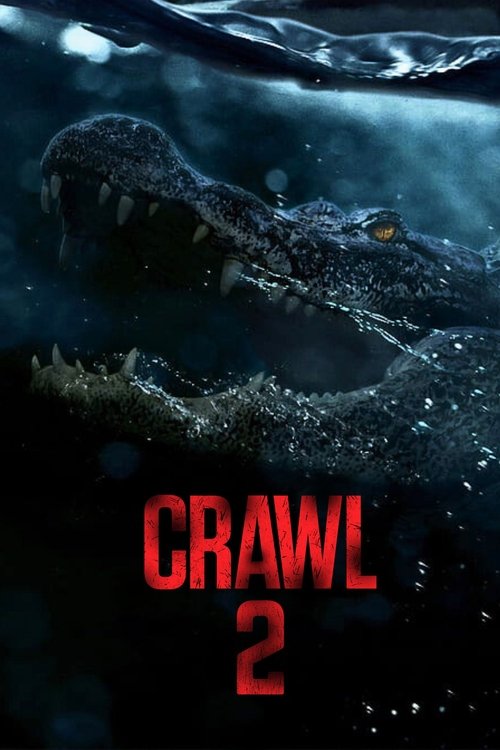
Crawl 2 presents a scenario where extreme weather conditions have transformed familiar spaces into lethal terrain. Floodwaters engulf residential areas and forgotten infrastructure, creating a labyrinth of submerged corridors and unstable shelters. Within this environment, characters are forced to navigate both physical hazards and an evolving biological threat.
Unlike traditional disaster narratives, the danger here is not static. The film introduces a creature that has adapted to the flood, using it not just as habitat but as a strategic advantage. It moves quietly, reacts to human behavior, and appears to understand fear as a trigger.
This shift reframes the narrative. The flood is no longer the primary antagonist—it becomes a medium through which something more dangerous operates.
- Flooded homes and underground spaces act as enclosed survival zones
- Visibility is limited, increasing tension and unpredictability
- The predator’s behavior suggests intelligence and adaptation
In this context, survival is no longer about endurance alone. It becomes a test of perception and decision-making under pressure.
Background & Context
The original Crawl established a straightforward but effective formula: individuals trapped in a flooding environment while facing a physical threat. Its success relied on tight pacing, confined settings, and a clear sense of escalating danger.
Crawl 2 appears to expand that formula rather than repeat it. By introducing a broader setting and a more dynamic threat, the sequel aligns itself with a growing trend in survival horror—where environments evolve alongside antagonists.
This approach reflects a shift in audience expectations. Viewers are increasingly drawn to stories where danger is not only immediate but systemic. In Crawl 2, the storm, the flood, and the creature are interconnected, forming what can be described as a closed ecosystem of fear.
That distinction matters. It transforms the narrative from a linear escape story into a layered survival experience.
Analysis or Impact
At its core, Crawl 2 explores how environments shape behavior—both human and non-human. The flood acts as a catalyst, forcing characters into unfamiliar territory while simultaneously enabling the predator’s evolution.
This dual function creates a tension that is both physical and psychological. Characters must contend with limited resources, restricted movement, and the constant possibility of being watched or tracked.
There is also an implicit commentary on control. Natural disasters are often portrayed as chaotic but temporary. Here, the aftermath becomes a new normal—one in which danger has adapted faster than human response.
One line captures the film’s thematic direction:
“When the environment changes, survival belongs to those who understand it—not those who fight it.”
This perspective positions the story within a broader conversation about resilience and adaptation. It suggests that survival is not merely reactive but requires a deeper awareness of shifting conditions.
From a genre standpoint, the film blends elements of creature feature, disaster thriller, and psychological horror. The result is a hybrid structure that allows for varied pacing—alternating between moments of quiet tension and sudden confrontation.
It is not just about what is seen, but what is sensed.
What Works — And What Doesn’t
What works:
- The expanded setting introduces greater narrative flexibility
- The concept of an adaptive predator adds depth to the threat
- The integration of environment and antagonist creates a cohesive tension
The film’s strongest element lies in its atmosphere. By limiting visibility and emphasizing sound and movement, it builds suspense without relying solely on visual spectacle.
What may not work for all audiences:
- The slower, more deliberate pacing in certain sections
- The ambiguity surrounding the creature’s origins
- The shift away from a straightforward survival narrative
These choices, while intentional, may challenge viewers expecting a more traditional structure. However, they also contribute to the film’s distinct identity within the genre.
In that sense, Crawl 2 prioritizes immersion over simplicity.
Conclusion
Crawl 2 (2026) represents an evolution of the survival horror formula, expanding its scope while deepening its thematic focus. By transforming a natural disaster into a living ecosystem of threat, the film offers a more complex and layered experience than its predecessor.
Its success will likely depend on how audiences respond to this shift—from direct confrontation to environmental tension. For those open to a more nuanced approach, the film provides a compelling exploration of survival under changing conditions.
Ultimately, the story suggests that the most dangerous environments are not those we enter—but those that begin to understand us.
Frequently Asked Questions
What is Crawl 2 (2026) about?
The film centers on a massive storm that floods homes and underground structures, creating a hazardous environment where survivors must navigate both rising المياه and an evolved predator that inhabits the flood.
How is Crawl 2 different from the original film?
While the original focused on a contained survival scenario, Crawl 2 expands the setting and introduces a more complex threat that adapts to its environment, creating a broader and more layered narrative.
Is Crawl 2 purely a disaster film?
No. Although it features a storm and flooding, the film blends disaster elements with creature horror and psychological tension, making it a hybrid within the survival horror genre.
What themes does the film explore?
The film examines adaptation, environmental change, and the relationship between humans and evolving threats. It emphasizes the importance of understanding one’s surroundings in order to survive.
Who might enjoy Crawl 2?
Viewers who appreciate survival horror, atmospheric tension, and stories that combine environmental danger with intelligent antagonists are likely to find the film engaging.