The Dark Secret Behind Middle-earth’s New Age — Why This Season Could Change Everything You Thought You Knew
What if the greatest threat was never an army… but a whisper?
What if deception, not war, is what finally breaks Middle-earth?
THE LORD OF THE RINGS: THE RINGS OF POWER – SEASON 3: THE SHADOW OF ANNATAR (2026) doesn’t just raise the stakes — it quietly poisons them.
And this time, you won’t see the danger coming.

What This Film Is Really About
At its core, this season continues the expanding conflict across Middle-earth — alliances shifting, kingdoms rising, and power becoming dangerously seductive.
But beneath the epic scale lies something far more unsettling.
This is not a story about war.
It’s a story about manipulation.
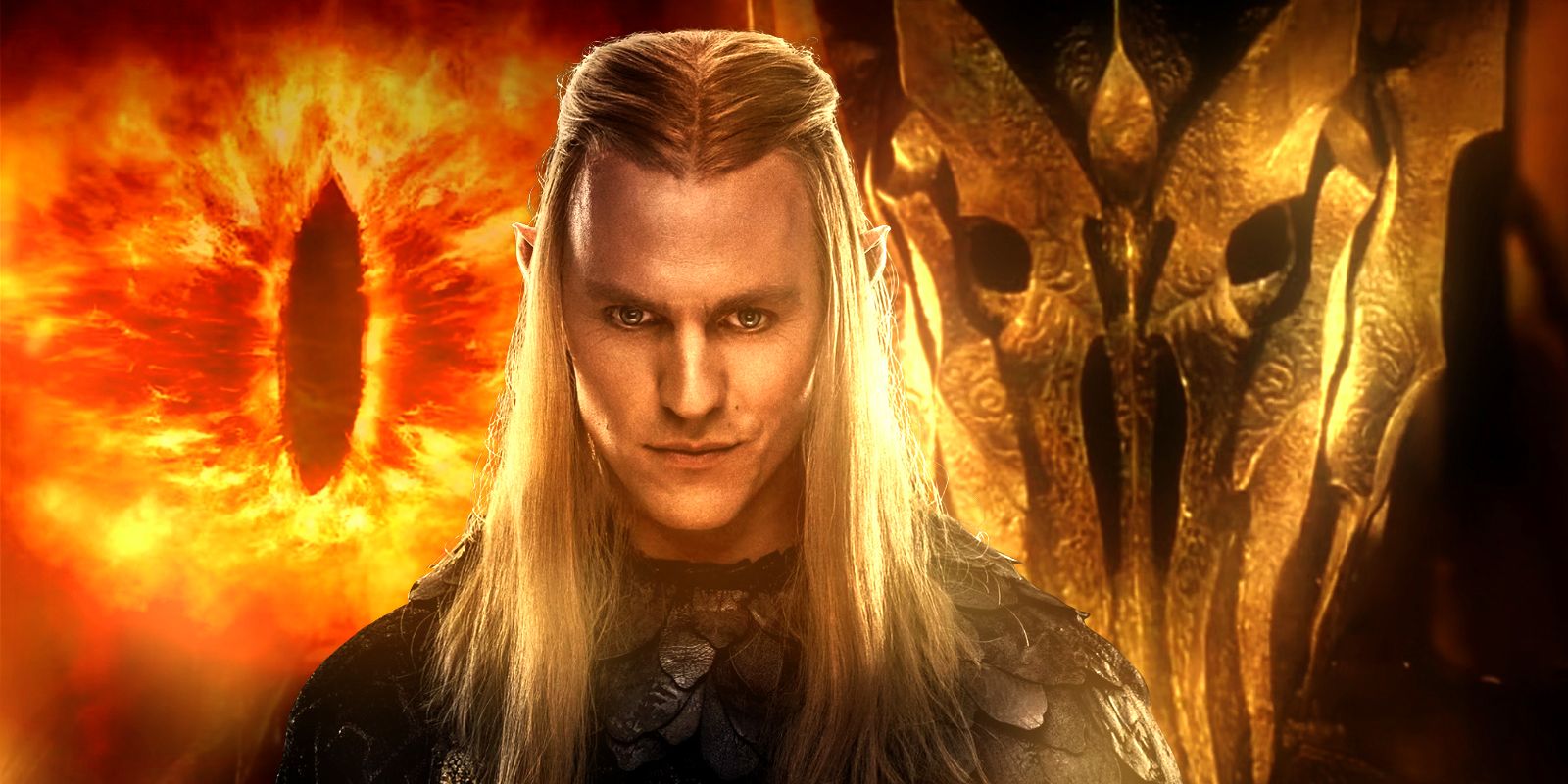
The shadow of Annatar looms not as a conqueror, but as a creator — a figure who offers gifts, knowledge, and power… at a cost no one fully understands.
And that’s what makes it terrifying.
This isn’t just about who will rule Middle-earth — it’s about who will unknowingly surrender it.
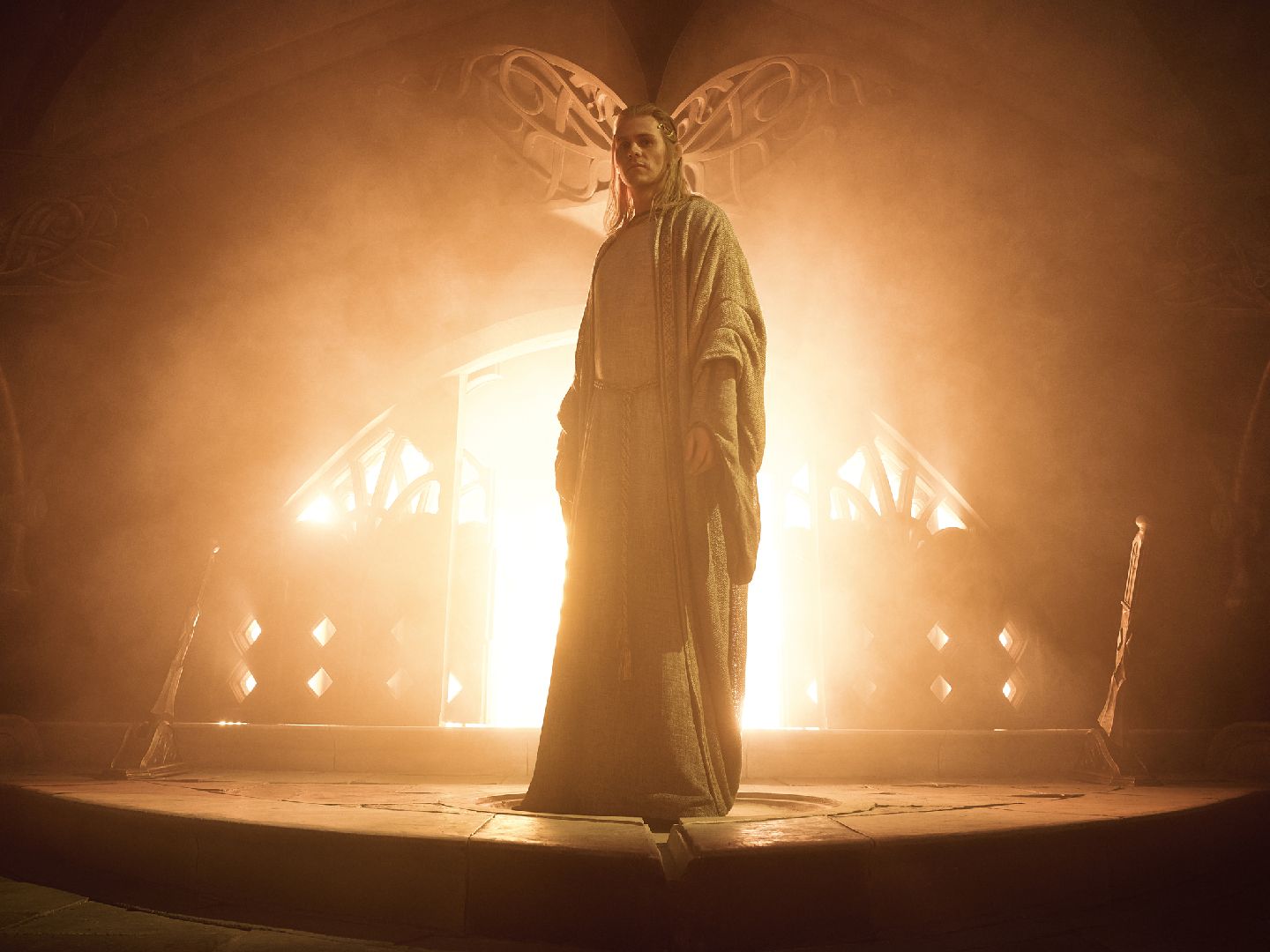
Performance & Characters
The Rise of Deception
The enigmatic presence of :contentReference[oaicite:0]{index=0} becomes the beating heart of the season. Charismatic, calculated, and chillingly persuasive, he doesn’t demand trust — he earns it.
And that’s the problem.
Leaders on the Edge
Characters across Middle-earth — from Elven lords to mortal rulers — are pushed into impossible decisions. Power tempts. Doubt spreads. And even the wisest begin to falter.
No one feels safe.
Not even the heroes.
Echoes of  Fate
Fate
 Fate
FateThe growing mythos surrounding the Rings begins to tighten its grip, turning destiny into a slow, suffocating force rather than a distant promise.
You can feel it closing in.
Visuals, Tone, and Direction
This season doesn’t just look grand.
It feels dangerous.
The visual design leans heavily into contrast — radiant kingdoms shimmering with beauty, while darkness creeps in through subtle fractures. Light is no longer comforting; it’s misleading.
Every setting tells a story:
- Majestic cities hiding quiet corruption
- Ancient forests whispering unease
- Forging halls glowing with both creation… and doom
The cinematography lingers longer than before, allowing tension to build in silence.
And when it breaks — it hits hard.
The score follows suit: less triumphant, more haunting. It doesn’t celebrate victories.
It warns you about them.
What Works — And What Doesn’t
What Works
- A bold shift toward psychological tension and manipulation
- A compelling central antagonist whose power lies in persuasion
- Rich, layered world-building that deepens Tolkien’s mythology
- Stunning visuals that balance beauty with underlying dread
What Doesn’t
- A slower pace that prioritizes tension over constant action
- Complex narrative threads that demand full attention
- Less immediate payoff for viewers expecting traditional battles
It almost feels too quiet at times…
Until you realize the silence is the weapon.
Final Verdict
THE LORD OF THE RINGS: THE RINGS OF POWER – SEASON 3: THE SHADOW OF ANNATAR (2026) is not just a continuation.
It’s a transformation.
This season dares to explore the most dangerous idea in Middle-earth:
That evil doesn’t always arrive with fire and armies — sometimes, it arrives with a gift.
If you’re expecting spectacle alone, you may find yourself unsettled.
But if you’re ready for a deeper, more insidious chapter — one where trust becomes the battlefield and power becomes the trap — then this season delivers something unforgettable.
Not just a story of rising darkness.
But a warning.
And by the time you see it clearly… it may already be too late.